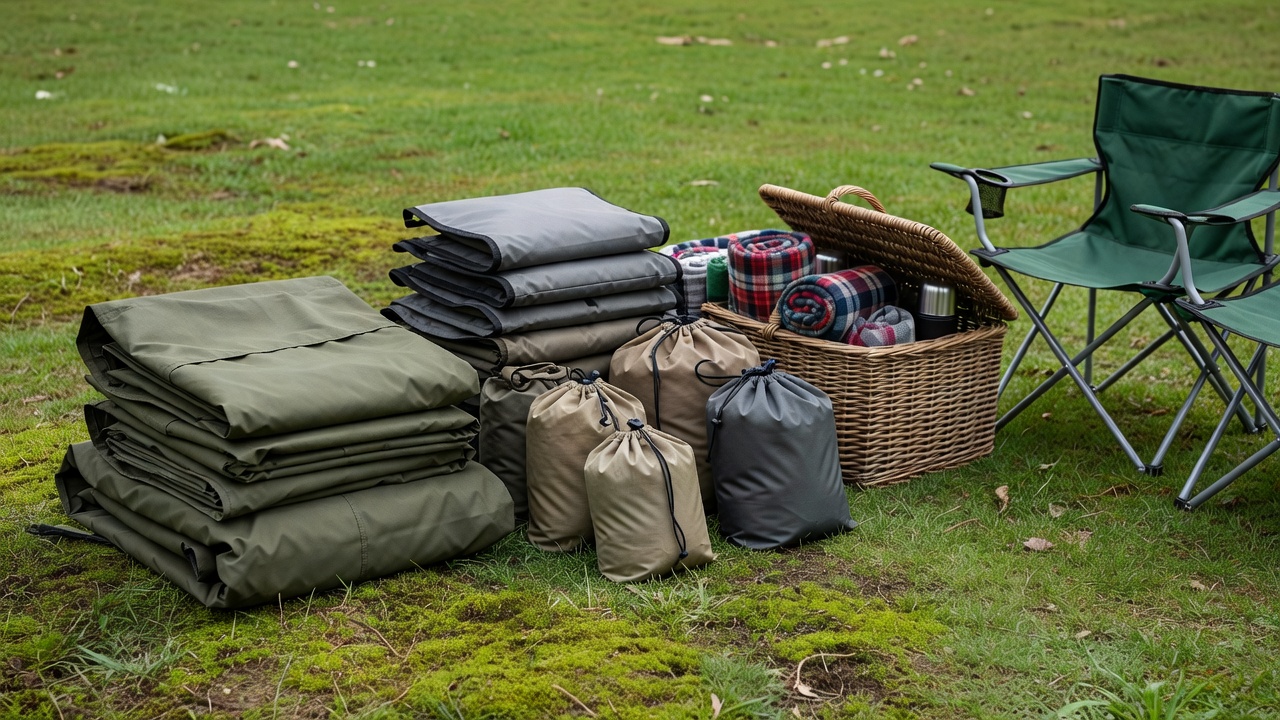
Storage covers protect only within their intended use. They do not make an operating setup weatherproof.
Define the real alternatives
Choose between moving to an approved indoor space, reducing the event to a safe permitted format, postponing or cancelling. Check the alternative’s capacity, access, toilets, music permission and availability before describing it to guests. A room that is technically nearby but locked, inaccessible or too small is not a fallback.
If there is no suitable alternative, say so early. A clear cancellation arrangement is better than a promise to continue under improvised shelter. Check supplier terms before booking and explain what happens to deliveries, hired equipment and any guest contributions. Do not invent a guarantee that the event will proceed; weather and site conditions can change after an initially favourable forecast.
Give one person the decision
Name a weather lead and a deputy. Agree when forecasts will be checked, when guests need an update and who can stop setup or the event. Use the official weather service for the location: the Met Office in the UK, Met Éireann in Ireland, or the National Weather Service in the United States are examples. Local authority and venue instructions may impose additional restrictions.
Translate forecasts into site consequences. Rain affects ground stability and electrical arrangements; wind affects temporary structures and suspended decorations; heat affects people, food and equipment. Record the limits supplied by each relevant manufacturer or competent installer. There is no single wind speed or rainfall number that makes every picnic setup acceptable.
Do not use a forecast app as a substitute for observation. Standing water, increasingly soft ground, loose fixings or a blocked departure route may require a change even without a formal warning. Make it normal for helpers to report concerns and clear that only the named lead communicates the final operational decision.
Use a simple decision pathway
The pathway below is a conversation aid, not a risk assessment or a complete emergency procedure. Apply venue rules and competent advice first. If you cannot establish that the planned arrangement remains within its limits, do not treat uncertainty as permission to continue.
Weather-decision tree
For lightning, consult the official guidance for your area before the event. The US National Weather Service promotes substantial buildings or suitable enclosed vehicles as safer shelter options; do not interpret that as approval for every building or vehicle. Plan how the whole group reaches safety without crossing a new hazard.
Write the guest message in advance
A useful update answers four questions: what has changed, where to go, when to act and who to contact. Send it through a channel guests already use and check that people travelling without reliable data receive it. If the location changes, repeat access and transport information rather than assuming the original directions still work.
For a move, use plain wording: “The outdoor plan has changed. Please use the confirmed indoor location in your invitation update. The revised arrival details are included below. Do not travel to the original site.” Replace every detail with the real arrangement before sending. Avoid vague phrases such as “probably still on” when guests need to decide whether to leave home.
For a cancellation, state that the gathering will not take place and whether another date has actually been agreed. Thank guests for checking the update and explain any relevant arrangements separately. Do not imply that hired equipment, refunds or a replacement venue are confirmed unless they are.
Include stopping and packing down
Plan who guides guests, who contacts suppliers and who handles electrical isolation according to the agreed procedure. Do not ask guests to rescue decorative items during unsafe conditions. Equipment that has become wet or damaged should not simply be dried externally and switched back on; obtain appropriate inspection and advice.
Protect people from heat and cold as well as rain. Keep drinking water available, offer usable shade where permitted and plan for falling evening temperatures. Review the site after any weather change. A successful contingency is often a quieter, shorter or postponed gathering that respects the limits you identified—not an outdoor party that continues at any cost.